When I was strolling around Sendai by car, I found a large park that stood out from the crowd.
While taking a break after lunch in the park, I spotted a shrine near the park's parking lot and decided to go there.
There was the Nibashira Shrine, known for its Taga Taisha spirit of matchmaking.
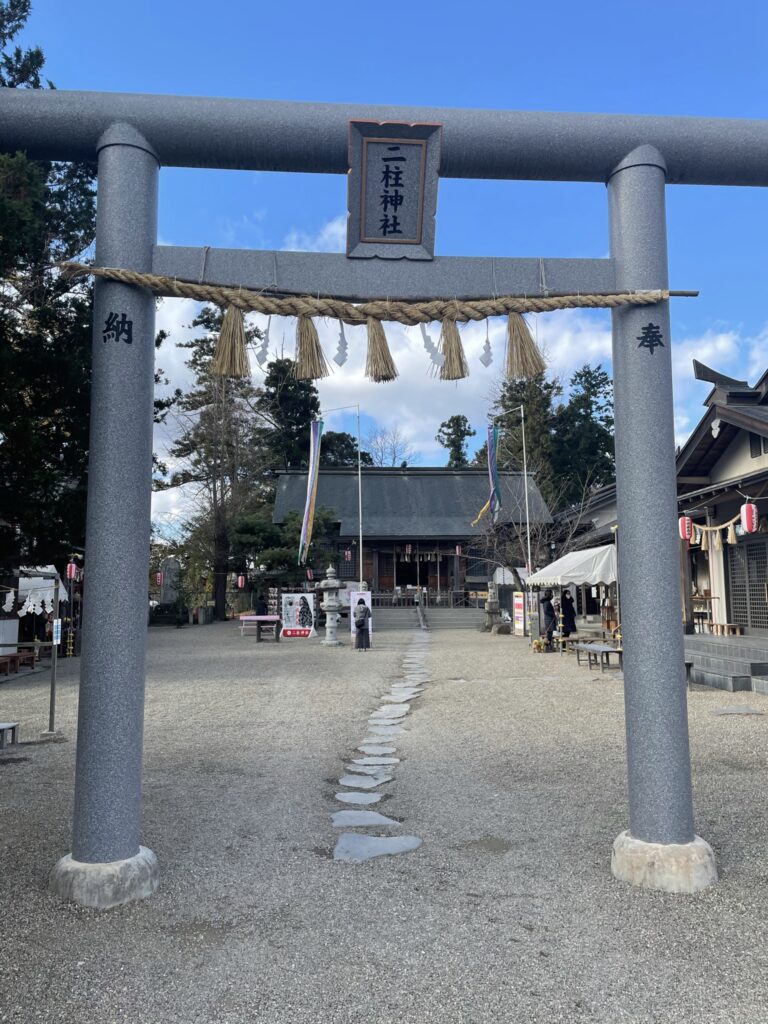
Table of Contents
Access
Location 61 Ichinasaka Nishiura, Izumi-ku, Sendai, Miyagi 981-3117, Japan
History & Blessings
【The thousand-year history of "Otaga-san】
Nibashira Shrine was built in 1026 at Shurindan in Ichinazaka (near the present-day Shichikitada Higashiura) with a spirit from the Taga Taisha Shrine in Shiga Prefecture.
Later, during the Tensho period (1573~), the shrine became the general guardian of eight of the 33 manors of the Kokubu clan that ruled the region: Ichinasaka, Nanakita, Kitane, Nomura, Kamiyakari, Furuuchi, Matsumori, and Tsurugaya, and was worshipped by many people.
After the fall of the Kokubu clan, during the reign of Tsunamune Date, a post town along the Oshu highway was opened in Nanakitada and Ichinasaka, and the area developed greatly. The shrine sought a new sacred site and moved to its present location in April 1662, choosing a spot along the Nanakita River with clear rock walls.
【Fire, Rebuilding, and to the Present】
In 1872 (Meiji 5), the shrine became a village shrine in Nanakita Village, and the faith grew even deeper as the entire community held a festival.
However, in the early morning of August 31, 1929, the shrine suffered a major ordeal when a fire of unknown origin destroyed the entire building.
Later, during the difficult times following the Manchurian Incident, rebuilding was carried out through years of efforts by the shrine parishioners and others involved, and in May 1941, the current shrine pavilion was completed.
[Children's guardian deity, "Oboko-no-kami-sama."
The Company is also called "Nawa Tari Daikongen" and is known as the "God of Obokko (children)," especially for protecting children from illness and death.
Currently,
Prayer for safe delivery
Hatsumiya / Prayer for the first shrine and growth of the child
Descendant protection
Longevity, health and longevity
Many worshippers from all over the country come to the shrine to pray for the "good fortune" of the shrine, etc.
In recent years, the number of young people wishing for a good marriage has also increased,
Michinoku no Otaga-san," "Sendai no Otaga-san."
It is widely popular as a
New Steps for the 1000th Anniversary of the Founding of the shrine
The year 2024 marks a major milestone, the 1,000th anniversary of the founding of the temple.
To commemorate this event, Hirukono-no-mikoto was invited from Nishinomiya Shrine in Nishinomiya City, Hyogo Prefecture, and is enshrined with the deities of his parents in distant Sendai.
Nibashira Shrine has been watching over the community for a thousand years. It is a place where visitors can enjoy a relaxing visit while feeling the history and divine virtues of the shrine.
deities
Shrines dedicated to the gods that gave birth to Japan
Enshrined in the two-pillar shrine are,
Izanagi no Okami (Great God of Izanagi)
Izanami no Okami (Great Goddess of Izanami)
which is said to have created the land of Japan and its 8 million gods.
And these two pillars are,
Sun Goddess
He is also the parent deity of
Also in the old slang,
Oise mairaba o taga e mairare
I am a child of Ise-Otaga, that I am."
It is known as a historic shrine with a deep relationship to Ise Jingu Shrine, as sung in the song "Ise Jingu" (Ise Jingu is the name of a Shinto shrine).
festival
New Year's Day Festival January 1
Donton Festival January 14
A.D. Festival February 11
Prayer Festival February 17
Kangaku Festival 2nd Saturday in March
Spring Festival May 5 (Children's portable shrine procession)
Natsukoshi-no-Oharai (summer purification ceremony) June 30 (walk through a cogon grass ring)
Takatama Shrine Festival September 9
Raijinja Festival September 25
Shichi-Go-San Festival October to mid-November
The day of the ritual of the first ceremonial offering of the tannin October 17
Autumn Festival November 3
New Year's Day November 23
New Year's Eve Grand Purification December 31
Goshuin (shrine stamp)
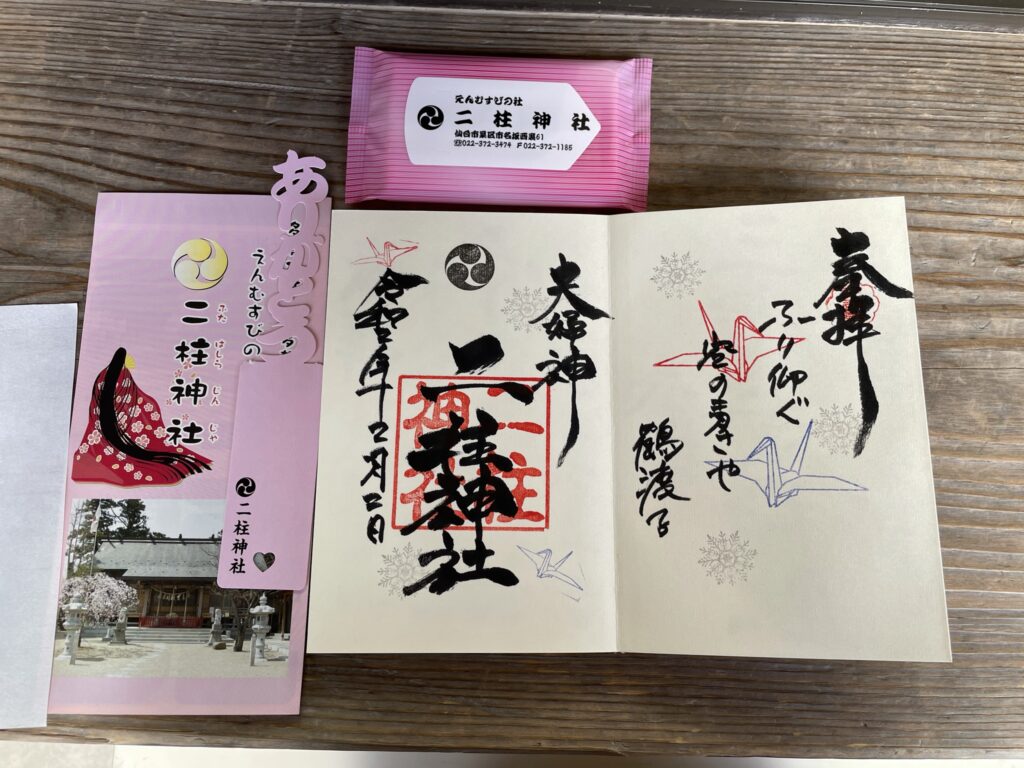
It is a large and spectacularly nice red seal, using a double-page spread of a red seal book(*^▽^*).
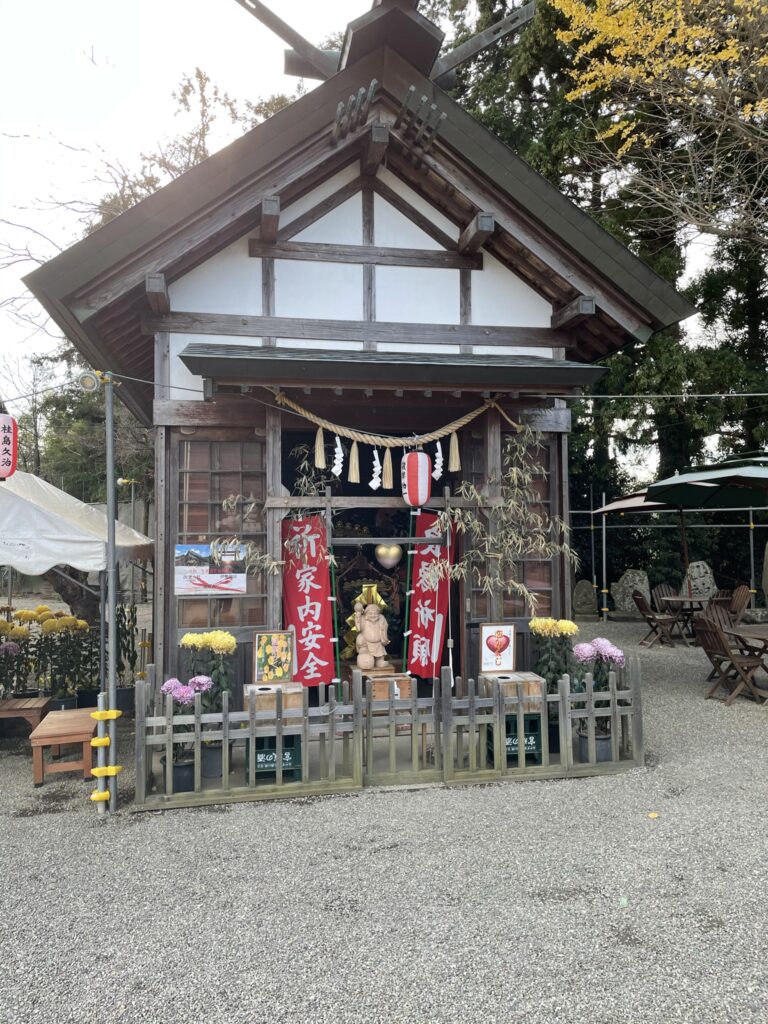
Photos of the precincts and surrounding area
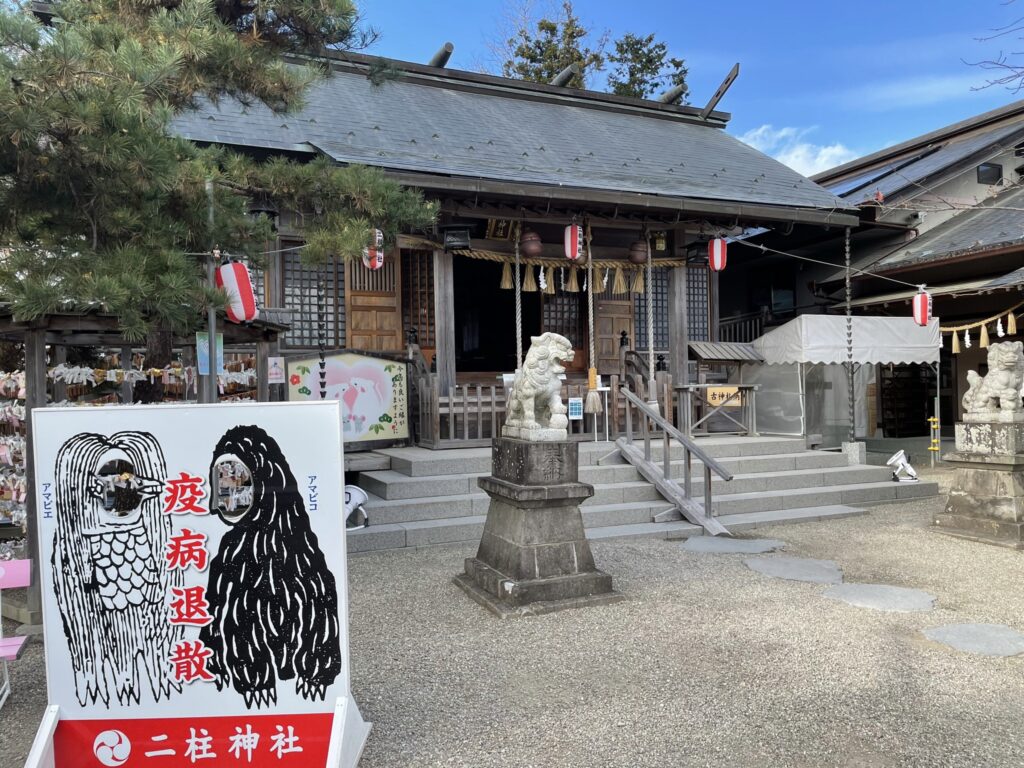
Amabie" and "Amabiko" are symbolic of the repelling of plague and disease.
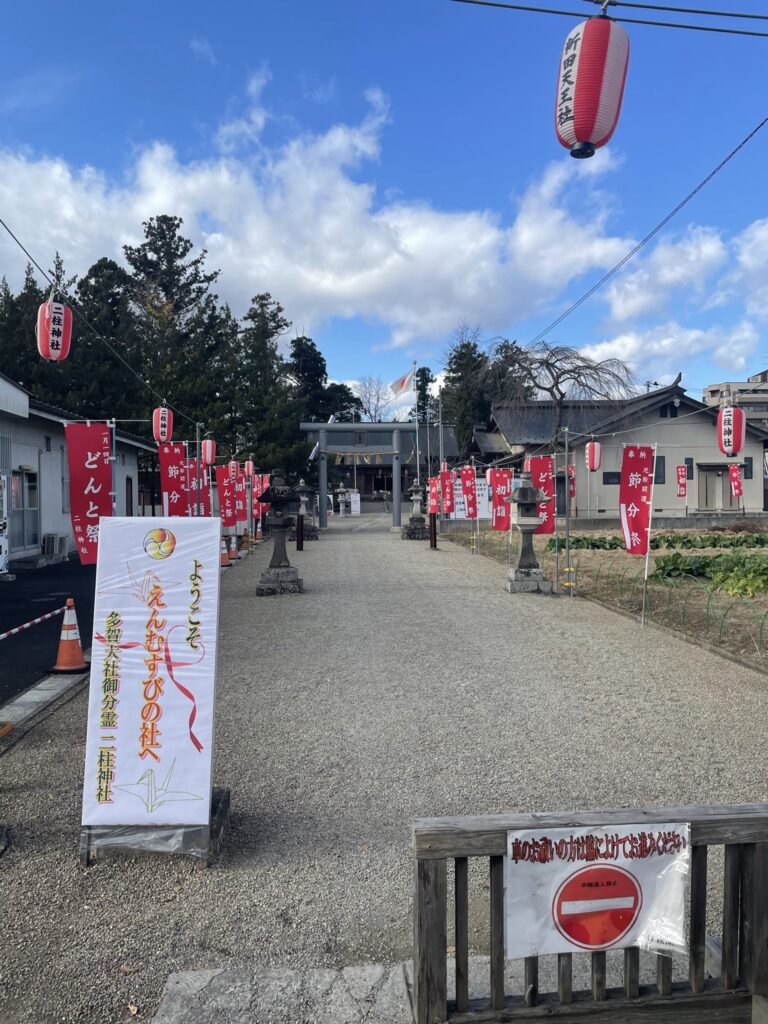
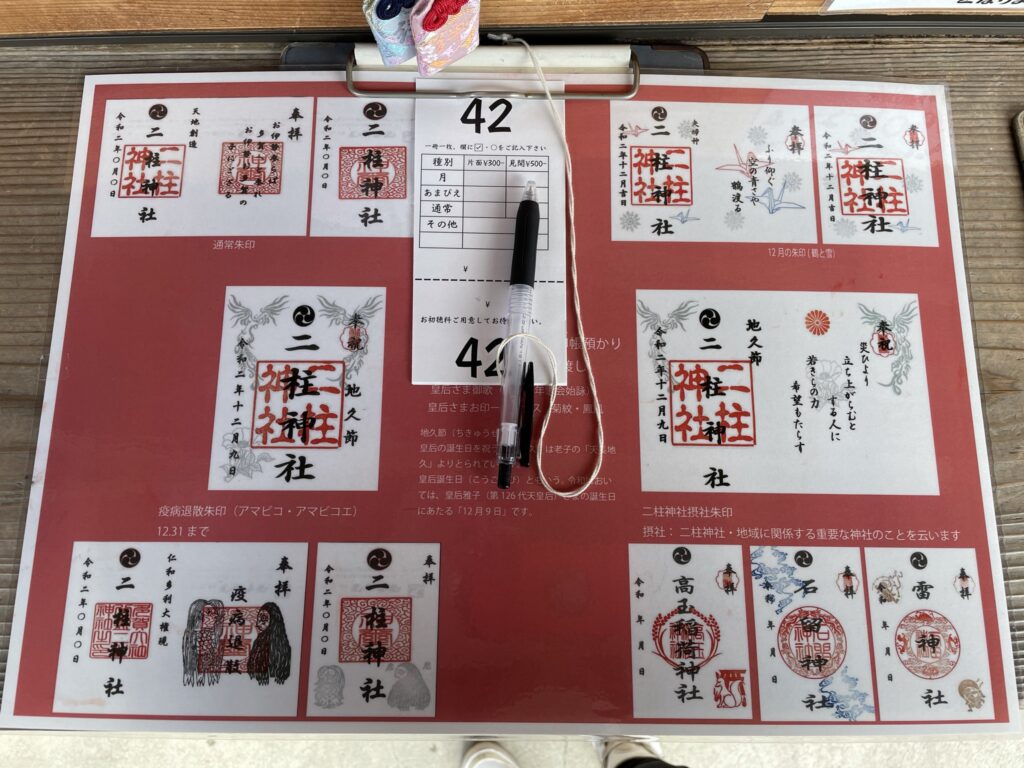
Many red seals are available, from regular red seals to limited-time-only red seals. All of them are very attractive and you will want to have one.
Lunch at Issen in Shichifuku and Beef Tongue
After visiting Nibashira Shrine,
Shichifuku, Issen of Beef Tongue
We had lunch at the
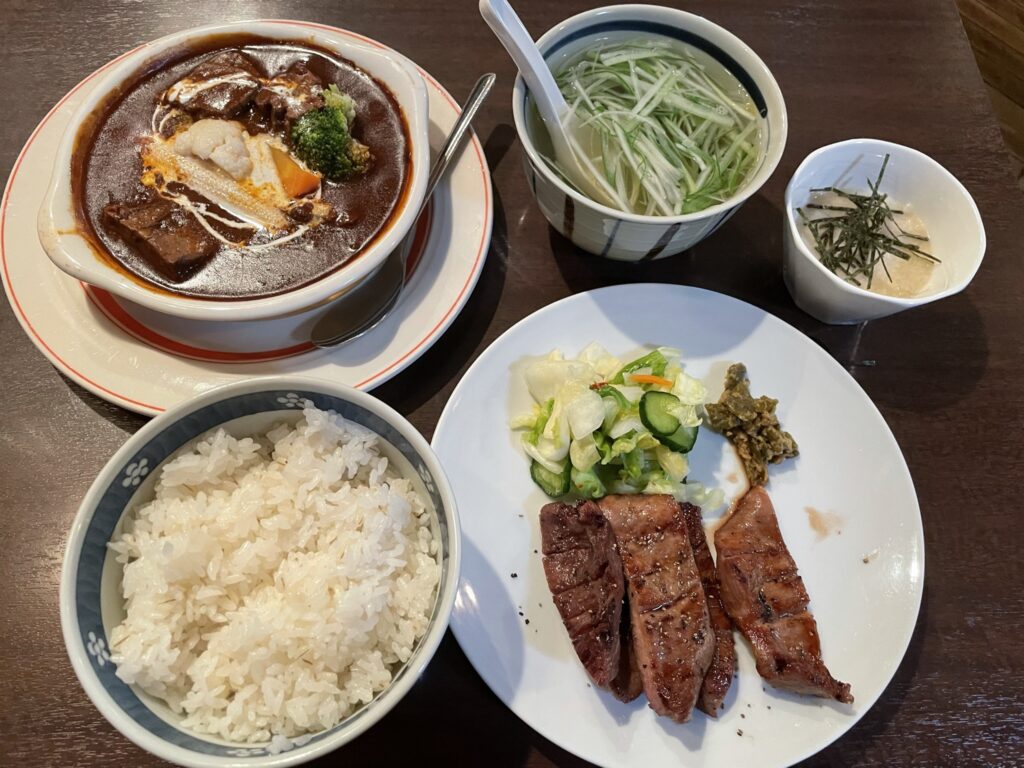
I ordered the beef tongue stew and beef tongue and yam lunch set.
Served with the beef tongue tail soup that comes with it, this is truly an excellent dish.
The beef tongue was thick and satisfying, filled with the flavor of slow-cooked beef, and was so delicious that it made us smile.
It was a very satisfying lunch, perfect for a post-prayer treat.
Shichifuku, Beef tongue restaurant "ICHISEN" access
B1F Kinfuji Building, 4-3-3 Ichibancho, Aoba-ku, Sendai-shi, Miyagi 980-0811
impressions
The day began with a visit to the thousand-year-old Nihashira Shrine, which was a very fulfilling experience for both body and soul. Stepping into the tranquil precincts of the shrine, one naturally felt a sense of dignity in the air, as one would expect from a place that has received people's prayers over many years. Just standing there, I felt a special moment, a little different from my daily life, when I thought about the fact that Izanagi and Izanami, the two deities involved in the beginning of Japan, are enshrined here.
The red seal, which was one of my main attractions this time, was a powerful double-page spread that made a great impression. When I actually held it in my hands, I could not help but admire its beauty and presence, and I felt that it was a piece that I would like to keep not only as a commemoration of my visit to the shrine, but also as a treasured keepsake. I believe once again that one of the charms of visiting shrines is to be able to feel the wishes of the time and the historical background of the time through these red seals.
After the visit to the shrine, we had lunch at Shichifuku and Gyutan no Issen. The beef tongue was thick and satisfying, and the more you chewed it, the more flavorful it became. The beef tongue stew was impressive for its deep, slow-cooked flavor. The beef tongue stew was impressive for its deep, slow-cooked flavor, and the tail soup that came as part of the set added an extra depth of flavor that kept us coming back for more. As a post-prayer meal, it could not have been more satisfying.
It was definitely the best beef tongue stew I have ever had.
If it were closer, I would go there at least once a week, but it's really too bad that it's not easy to get there from Tokyo....
Still, it was one of those dishes that made it worth the trip.
A historic shrine to prepare the mind, followed by a delicious meal to fill the soul. I feel that this flow of time is a luxury that is hard to find in everyday life. I realized that combining a "visit to a shrine + gourmet food" as we did this time makes the day even more memorable. Nibashira Shrine is a place where one can spend a relaxing time while experiencing the history and divine virtues of the shrine, and it has a charm that makes one want to visit again and again. I encourage those who are thinking of visiting the shrine to come and experience a special day, including the atmosphere, the beauty, and even the fun after the visit.